Award of Excellence: Baltimore's Overdose Crisis
Caption
Slide 8 of 10
Baltimore’s Overdose Crisis
May 24, 2024
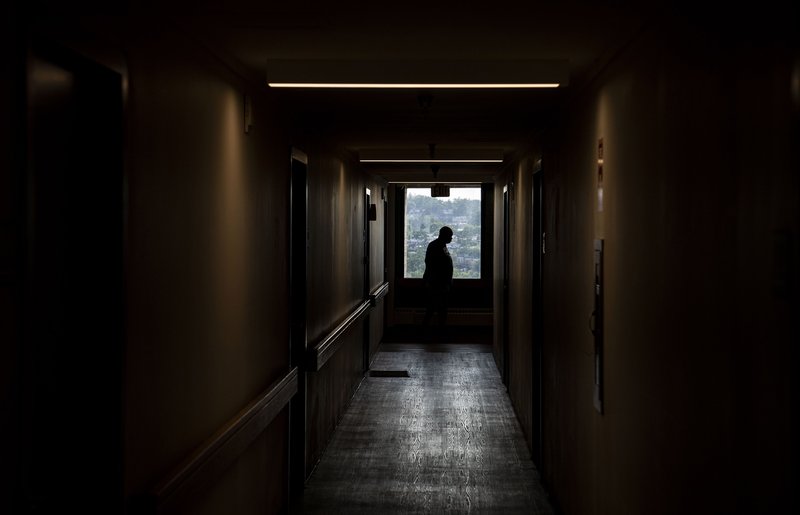
Larnell Robinson walks down the hallway of Rosemont Tower apartments in Baltimore, Md., on May 24, 2024. Robinson sat at a desk in his cluttered office last September, between a bookshelf full of Bibles and a table stacked with the overdose antidote Narcan. He slid out a list of residents of the West Baltimore high-rise where he was tenant council president — one of dozens of subsidized complexes that house the city’s poor seniors. One by one, he began scratching through names, conducting a grim accounting of the dead. Over the past six years, as Baltimore has endured one of America’s deadliest drug epidemics, overdoses have fallen surprisingly hard on one group: Black men currently in their mid-50s to early 70s.
Jessica Gallagher
Location